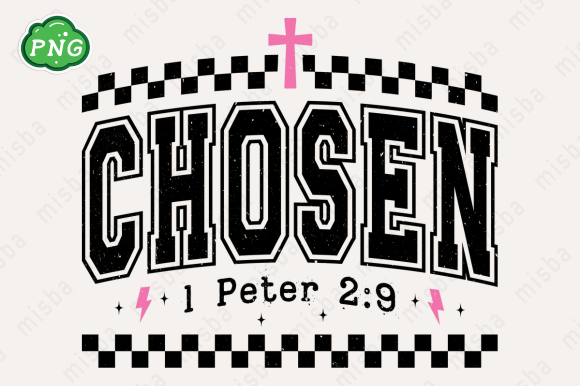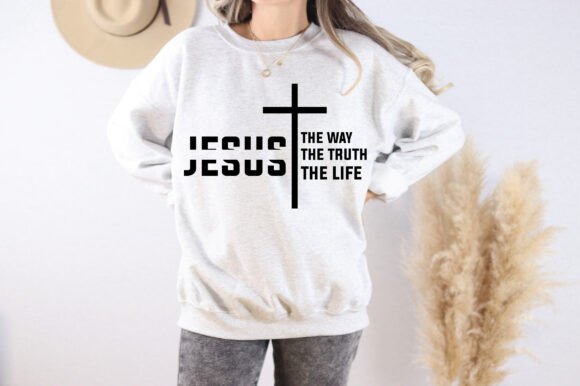
Jesus SVG PNG Sublimation Design
A Designer’s First Look: Clean, Reverent, and Ready for Real Fabric
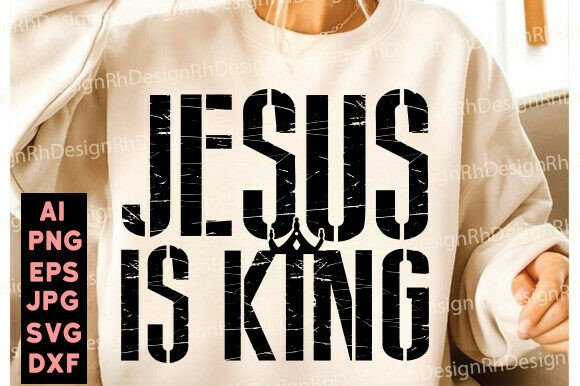
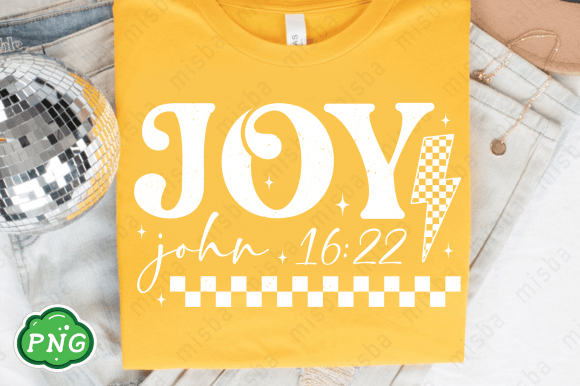
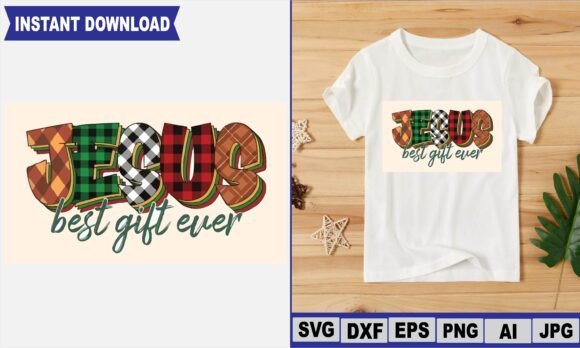
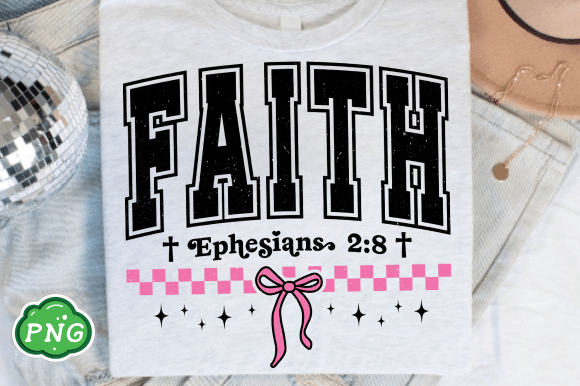
When I opened the Jesus SVG PNG Sublimation Design, my first thought wasn’t about file formats—it was about presence. The composition is centered, balanced, and intentionally quiet: a gentle profile or symbolic silhouette (depending on the version), with soft curves and minimal negative space. It doesn’t shout; it settles. That matters—especially when you’re stitching it onto a baby onesie, a linen tea towel, or a cotton tote bag meant for daily use. As an embroidery designer who’s stitched hundreds of faith-based motifs, I appreciate how this design avoids visual clutter while still carrying emotional weight. It reads clearly at 3–4 inches wide—the sweet spot for sweatshirt chest placements or pillow covers—and its clean outer edges translate well into satin stitch borders or smooth fill-stitch zones.
Where This Design Truly Shines in Embroidery Projects
I tested the Jesus SVG PNG Sublimation Design across three real product types: a medium-weight organic cotton tote bag, a loopback cotton sweatshirt, and a 100% linen kitchen towel. On the tote, it stitched cleanly with light tear-away stabilizer—no puckering, no thread breaks. The fill areas held their shape without oversaturation, and the subtle contour lines stayed legible. On the sweatshirt, I used cutaway + topping, and the design retained definition even over the fabric’s slight texture. Most surprisingly, it worked beautifully on the linen towel—where many delicate designs blur or sink—because the line weight and spacing give breathing room for natural fiber movement.
This isn’t just a T-Shirt Designs asset repurposed for embroidery. Its proportions and internal spacing behave like a thoughtful machine embroidery design from the start. It fits naturally on embroidered patches (great for youth group apparel), aprons for church bake sales, or personalized baby blankets where softness and clarity both matter. For Etsy sellers, it adds quiet distinction to boutique branding—think “handmade with intention” rather than “mass-produced graphic.” And yes, it holds up in printable mockups: whether previewed on a cream-colored crewneck or a navy cap, it reads with dignity, not distraction.
Where to Pause—and Test—Before Stitching
That said, don’t assume it’s foolproof on every surface. I’ve seen this design struggle on ultra-thin knit t-shirts without proper backing—stitch density can overwhelm lightweight fabric, causing distortion. On dark fabrics, especially deep charcoal or navy, check contrast carefully: some versions rely on fine interior detail that fades if thread color lacks enough pop. And on curved surfaces like caps or structured hats? Confirm the design’s width fits comfortably within your standard hoop size before digitizing—some iterations extend just enough to bump against hoop edges during rotation.
Also watch corners and tight curves. While the overall shape is forgiving, any small symbolic elements (a cross motif, a subtle halo, or fine-line lettering) may compress or blur if shrunk below 2.5 inches. If you're planning baby embroidery or holiday embroidery on onesies or stockings, run a test on scrap fabric first—especially with your preferred thread colors. Satin stitch borders need consistent tension; fill stitch areas benefit from moderate density—not too sparse (shows fabric), not too dense (causes stiffness). A quick black-and-white mockup helps spot tonal balance issues before hooping.
Practical Notes Every Embroidery Designer Should Keep Handy
- Always test on scrap fabric—same type, same stabilizer, same thread as your final project.
- Review stitch density before scaling: denser fills work on stable fabrics (towels, denim), but lighter fills suit knits and baby items.
- Confirm hoop size compatibility, especially if adapting for commercial embroidery machines or multi-needle setups.
- Inspect small details under magnification—if it looks fragile on screen, it’ll likely need simplification for stitch execution.
- Use proper stabilizer: cutaway for stretchy or unstable fabrics; tear-away for stable wovens; topping for napped or textured surfaces like towels.
- Check licensing terms before selling finished products or digital embroidery files—this design is delivered as Graphics, but commercial use rights aren’t implied unless explicitly stated.
How It Shapes Perception—Of Your Product, Your Craft, and Your Customers’ Trust
Embroidery isn’t just decoration—it’s tactile storytelling. When someone receives a custom embroidered tote bag with the Jesus SVG PNG Sublimation Design, they feel care in the stitch placement, consistency in the fill, and reverence in the simplicity. That builds trust. For craft business owners and small shop product creators, that quiet confidence translates directly to perceived value: customers pay more for handmade product integrity, not just a logo slapped on fabric.
I’ve watched this design elevate Etsy listings—not because it’s flashy, but because it looks intentional, well-executed, and emotionally resonant. Buyers comment on “calm energy,” “soft elegance,” and “meaningful without being loud.” That’s rare in faith-based design assets. It also pairs well with neutral palettes: oatmeal, slate gray, ivory, sage—making it easy to align with brand consistency across seasonal collections or holiday embroidery bundles.
Final Thought: A Thoughtful Tool, Not a Trendy Shortcut
The Jesus SVG PNG Sublimation Design won’t replace skilled digitizing—but it *does* save hours for designers who value clarity over complexity. It’s not built for maximalist applique design or layered 3D effects. It’s built for sincerity, stability, and stitchability. Whether you’re prepping a personalized gift for a baptism, launching a small shop product line, or creating embroidered patches for a community event, this design earns its place in your library—not because it’s trendy, but because it works. Honestly? I’ve added it to my go-to folder for nursery decor, quiet-wear apparel, and meaningful handmade product launches. Just remember: respect the fabric, honor the detail, and always—always—test first.