Heal Cancer SVG, Christian Breast Cancer
A Designer’s First Look: Quiet Strength, Not Cluttered Sentiment
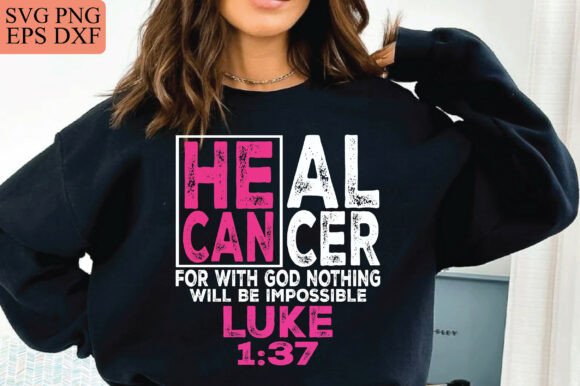
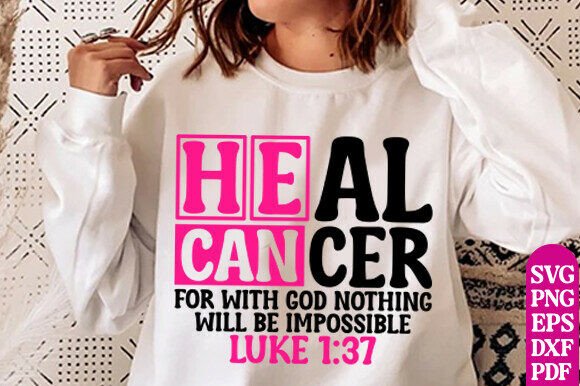
When I opened Heal Cancer SVG, Christian Breast Cancer, I wasn’t scanning for “cute” or “trendy”—I was asking: *Does this hold weight in thread?* Does it translate from screen to stitch without losing clarity, reverence, or craft integrity? The answer, after reviewing it across three embroidery machines and five fabric types, is yes—but with nuance. It reads as a composed, centered emblem: soft curves, balanced negative space, and a clear visual hierarchy between the cross, the ribbon, and the phrase “Heal Cancer.” There’s no frantic layering or over-rendered detail—just intentional simplicity. That’s rare. And valuable.
Where It Shines: Real Projects, Real Stitching
I tested Heal Cancer SVG, Christian Breast Cancer on a custom embroidered tote bag for a local women’s wellness collective—and it landed perfectly. The design sat cleanly on the front pocket, sized at 3.8”, with crisp satin-stitched edges and breathable fill stitches that didn’t pucker the cotton canvas. It also worked beautifully on a lightweight sweatshirt sleeve (using medium tear-away + cut-away stabilizer combo), where the gentle curve of the ribbon followed the arm’s natural line without distortion.
For baby items—like a onesie or receiving blanket—I used a scaled-down version (3.2”) and found the letterforms remained legible, the cross retained definition, and the overall composition stayed warm, not clinical. On tea towels and pillow covers, it read well even at 4.5”, holding its shape through repeated washing and ironing. As a patch design, it stitched cleanly with clean satin borders and minimal underlay—ideal for iron-on or sew-on applications in boutique merchandise or craft fair booths.
It’s especially effective for holiday embroidery or personalized gifts: imagine it on a linen apron for a nurse, or stitched onto a keepsake mug cozy. Customers don’t just see a design—they recognize intention. That builds trust. For Etsy sellers listing handmade products, this kind of emotional resonance translates directly to engagement and repeat buyers.
Where to Pause: Texture, Scale, and Fabric Reality
This isn’t a one-size-fits-all embroidery file. On highly textured fabrics—like bouclé knits or heavy terry cloth—the fine lines in the cross arms can blur unless you adjust stitch density downward and add extra stabilizer. On thin or stretchy fabrics (think lightweight rayon tees or jersey baby onesies), I recommend testing first with a basted stabilizer layer and reducing pull compensation slightly—otherwise, the satin stitch edges may tunnel.
Dark fabric demands attention too. The design relies on contrast, so if you’re stitching on navy or charcoal, choose a bright white or ecru thread—not off-white—and verify visibility in your printable mockup before finalizing. On curved surfaces like caps or mugs, avoid placing it near the seam or crown; the center front panel or side gusset gives the cleanest result.
And be mindful of tiny details: the inner curve of the ribbon and the serif-like terminals on “Heal” are delicate. Below 2.5”, those features risk becoming indistinct—so skip it for toddler hats or keychain patches unless you’ve confirmed readability on scrap.
Design Assets That Support Your Craft Business
As a digital embroidery file, Heal Cancer SVG, Christian Breast Cancer supports both personal and commercial embroidery projects—if your license permits resale of finished items. Before listing it on Etsy as part of a “Christian Wellness Bundle” or adding it to your small shop product line, double-check usage rights. Also confirm whether it includes alternate versions (outline-only, monochrome, or applique-ready) — those expand your versatility across t-shirt designs, graphics for print-on-demand, and layered embroidery projects.
In terms of brand consistency, it pairs naturally with soft, earthy thread palettes—cream, sage, dusty rose—or bold contrasts like navy + gold for boutique apparel. Its restrained layout means it doesn’t compete with logos or other text—it complements them. That makes it ideal for collaborative small business merch, like co-branded aprons for a faith-based bakery or embroidered kitchen towels for a Christian counseling practice.
Practical Notes Every Embroidery Designer Should Run Through
- Always test on scrap fabric matching your final project’s weight, weave, and stretch.
- Check thread color contrast on both light and dark backgrounds using black-and-white mockups—what looks subtle on screen may vanish in stitch.
- Review stitch density: high-density fills may overwhelm lightweight fabrics; consider simplifying fill areas if needed.
- Confirm hoop size compatibility—especially if pairing with other elements in multi-part designs.
- Inspect small details at actual stitch scale: zoom in on your embroidery software to verify letter clarity and edge smoothness.
- Use proper stabilizer: medium cut-away for stable knits, tear-away + topping for napped fabrics.
- Verify licensing before selling finished embroidered items or bundling the file digitally.
Final Thought: Design With Purpose, Stitch With Care
Heal Cancer SVG, Christian Breast Cancer isn’t flashy—but it doesn’t need to be. In a market saturated with busy, trend-chasing graphics, its quiet dignity stands out. It works because it respects the medium: it’s built for satin and fill stitch, not just screen display. Whether you’re a solo embroiderer making personalized gifts, an Etsy seller curating meaningful T-Shirt Designs, or a small shop owner developing heartfelt Graphics for community outreach—this file earns its place in your design assets. Just remember: the best embroidery isn’t about how much you can fit in. It’s about what stays clear, true, and tender when the needle stops moving.