Give Thanks to the Lord Fall Christian
A Designer’s First Look: Warm, Grounded, and Ready for Real Stitches
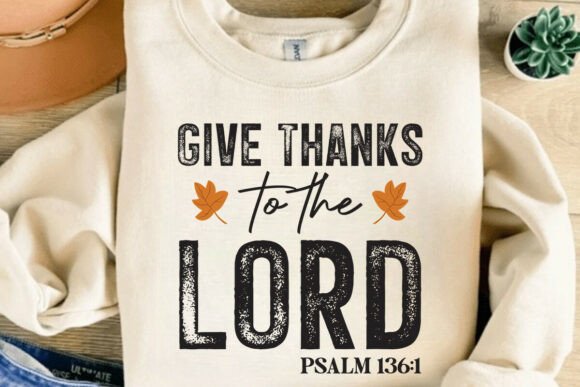
When Give Thanks to the Lord Fall Christian landed in my inbox, I paused—not because it’s flashy, but because it feels intentional. It’s not shouting for attention; it’s settling in like a well-worn sweater on a crisp October morning. The composition balances scripture with seasonal warmth: layered typography, subtle leaf motifs, and a gentle rhythm that reads clearly at 3–4 inches wide. As a machine embroidery design, its visual personality leans toward quiet reverence—not ornate, not minimalist, but *considered*. That makes it especially strong for handmade products where sincerity matters more than sparkle.
Where It Shines: From Tote Bags to Tea Towels
I tested Give Thanks to the Lord Fall Christian as the centerpiece of a custom embroidered tote bag for a local church boutique—cotton canvas, medium weight, natural undyed fabric. It stitched cleanly, with no thread breaks or puckering. The lettering held shape across curves, and the leaf accents read as decorative but never distracting. That same design translated beautifully onto a heavyweight sweatshirt (cotton-poly blend), where the fill stitch density gave rich texture without stiffness. On baby onesies? I scaled it down to 2.75 inches and used lightweight cutaway stabilizer—still legible, still tender. For holiday gifts and nursery decor, it carries warmth without cliché. As a tote bag design, sweatshirt embroidery, or tea towel motif, it bridges faith and seasonality in a way customers actually pause to read—not just glance at.
Where to Proceed Thoughtfully
This isn’t a one-size-fits-all embroidery file. Its strength lies in clarity—but that means certain contexts need extra care. On thin or stretchy fabrics (like jersey tees or lightweight linen), I recommend testing with tear-away + light cutaway stabilizer to prevent shadowing or distortion. On dark fabric, avoid pale thread colors in the script unless you’re adding underlay; the text relies on contrast to land. Curved surfaces—like caps or structured aprons—require careful digitizing alignment; the baseline should follow the curve naturally, not fight it. And while the design avoids ultra-fine details, the inner leaf veins and small serif flourishes can blur if stitched below 2.25 inches without adjusting stitch length. If you’re planning an embroidered patch, confirm whether the original file includes clean satin-stitch borders—those make all the difference for clean edge finishing.
What It Adds to Your Finished Product
Give Thanks to the Lord Fall Christian elevates perceived value without demanding premium pricing. Customers recognize craftsmanship when lettering is evenly spaced, corners are smooth, and background fill doesn’t overwhelm the message. That builds trust—especially for Etsy sellers and small shop owners offering personalized gifts. It reads as handmade, not mass-produced, because the spacing breathes and the scale respects fabric real estate. For boutique branding, it fits seamlessly into a cohesive fall collection alongside neutral-toned kitchen towels, pillow covers, or baby blankets. And because it’s rooted in gratitude—not trend—it stays relevant beyond November. No forced “fall vibes,” no dated graphics—just quiet resonance.
Practical Notes Every Embroidery Designer Should Check
- Always test first: Run Give Thanks to the Lord Fall Christian on scrap fabric matching your final product’s weight and weave—even if it’s “ready to print.” Thread tension shifts between machines, and what looks perfect on screen may shift mid-stitch.
- Review stitch density: High-density fill areas (like solid leaf bases) may require lighter stabilizer on delicate items—or heavier backing on textured fabrics like terry cloth.
- Confirm hoop size compatibility: This design likely works best in a 4x4 or larger hoop. If you’re using smaller hoops, check whether the file splits cleanly or needs repositioning.
- Inspect small details: Zoom in on the smallest serifs and leaf tips. Are they digitized with running stitch or short satin segments? That affects wash durability on baby embroidery or frequent-use items like aprons.
- Test color contrast: View your thread palette against both light and dark fabric mockups. A warm taupe thread might sing on oatmeal canvas but disappear on charcoal.
- Verify licensing: Since this is marketed as a digital embroidery file for crafters, confirm whether commercial use (e.g., selling finished embroidered sweatshirts or patches) is permitted before listing on Etsy or at craft fairs.
Final Thought: A Design That Serves the Moment—and the Maker
Give Thanks to the Lord Fall Christian doesn’t try to be everything. It’s not a complex applique design with 12 layers, nor is it a bare-bones outline for quick heat-transfer work. It’s a focused, well-paced machine embroidery design built for real projects—custom apparel, thoughtful gifts, small-batch merchandise. As a designer who’s seen hundreds of “fall scripture” files come and go, I appreciate how this one avoids visual clutter while keeping emotional weight. It stitches reliably, photographs well in printable mockups, and invites connection rather than decoration. Whether you’re an embroidery pro building a digital product catalog or a hobbyist stitching a heartfelt holiday gift, this design earns its place—not by standing out, but by showing up with integrity. That’s rare. And worth stitching again.